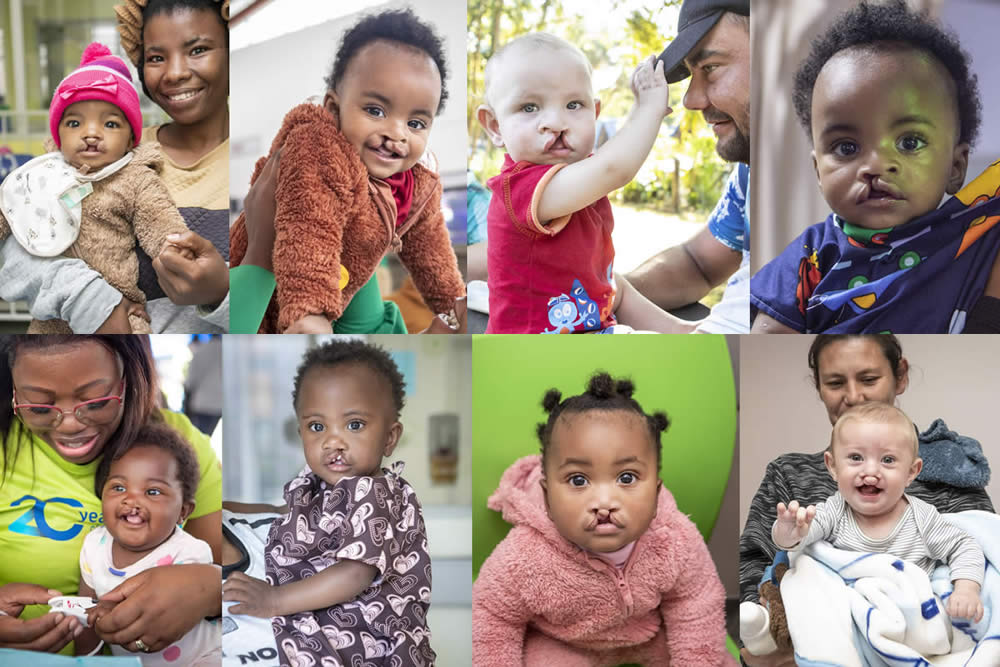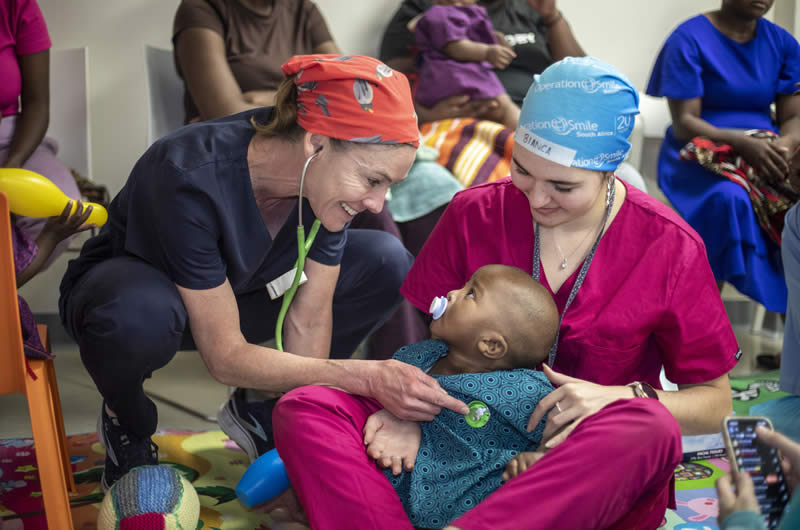
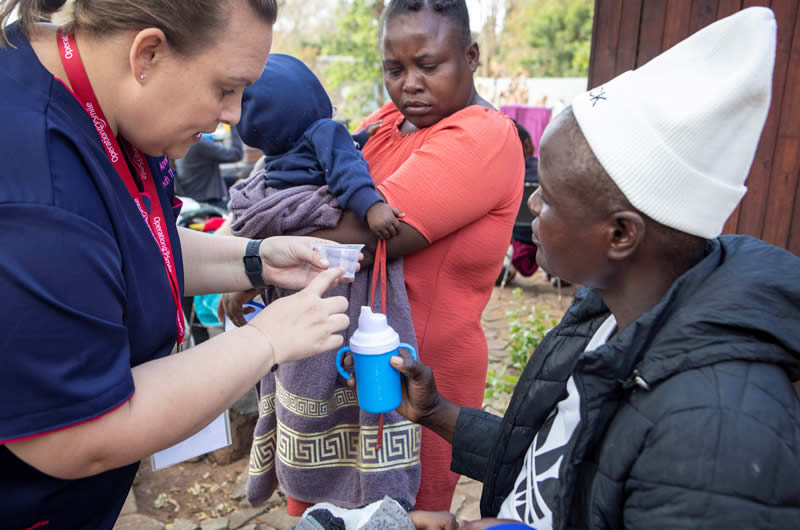
This World Breastfeeding Week (August 1-7), Operation Smile is highlighting the importance of breastfeeding and the need to support mothers, especially those caring for infants with cleft conditions.
For infants born with cleft conditions, breastfeeding can be especially challenging. That’s why we work closely with health care providers to ensure access to breastfeeding education, safe expression guidance and alternative feeding support when needed. By addressing these challenges, we’re helping to give every child the chance to grow up healthy and happy, no matter where they’re born.
Malnutrition Facts
Globally, malnutrition contributes to the deaths of 3.1 million children less than 5 years old every year – almost half of all deaths for that age group.
Infants born with cleft conditions are 9 times more likely to die within their first year of life than other infants. Feeding challenges contribute significantly to this risk. Without early support, many of these children face a higher risk of malnutrition and may be unable to safely undergo any surgery.
Operation Smile is addressing the complex challenges of malnutrition through partnerships with NGOs, hospitals, and community organizations. These partnerships help us develop locally tailored nutrition interventions that ensure patients who arrive undernourished can eventually receive safe surgery.
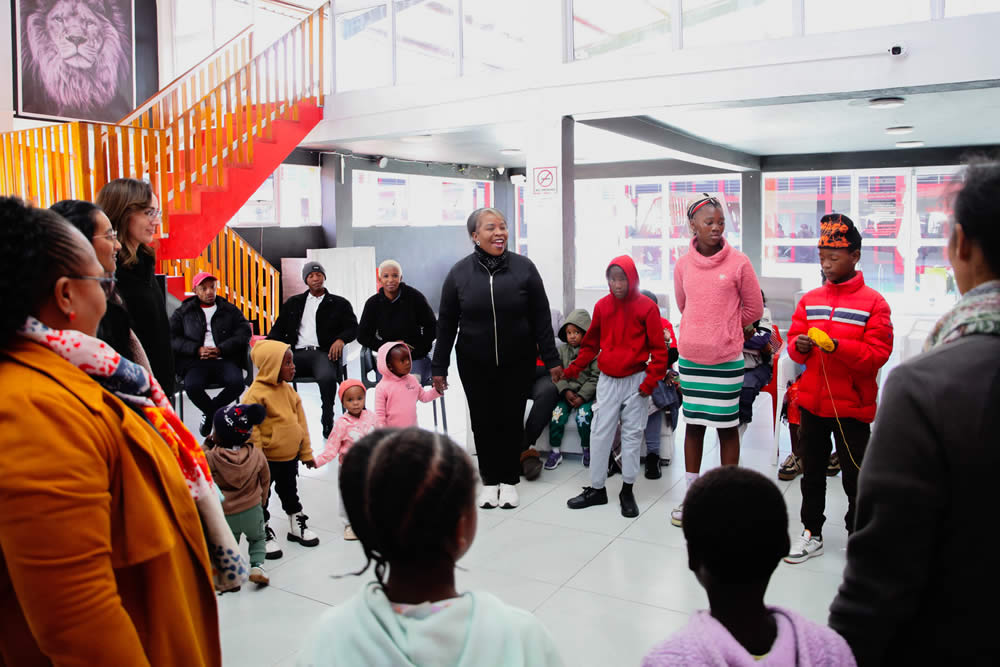
We tailor our programmes to the specific needs of diverse communities, considering cultural factors, provider capacity, and available resources. By collaborating with community health workers and primary care providers, we help bring essential nutrition services directly to families in remote or rural areas.
Breast milk is best
Operation Smile believes that human milk is the optimal source of nutrition for infants. It supports optimal growth, brain development, and long-term health for both mother and infant.
In alignment with the World Health Organization and the United Nations Children’s Fund, our nutrition efforts aim at protecting, promoting and supporting exclusive human milk feeding (via breastfeeding or expressed breastmilk feeding) for the first six months of life and continued human milk feeding, along with age-appropriate complementary foods, up to two years of age and beyond.
Challenges with breastfeeding infants born with cleft conditions
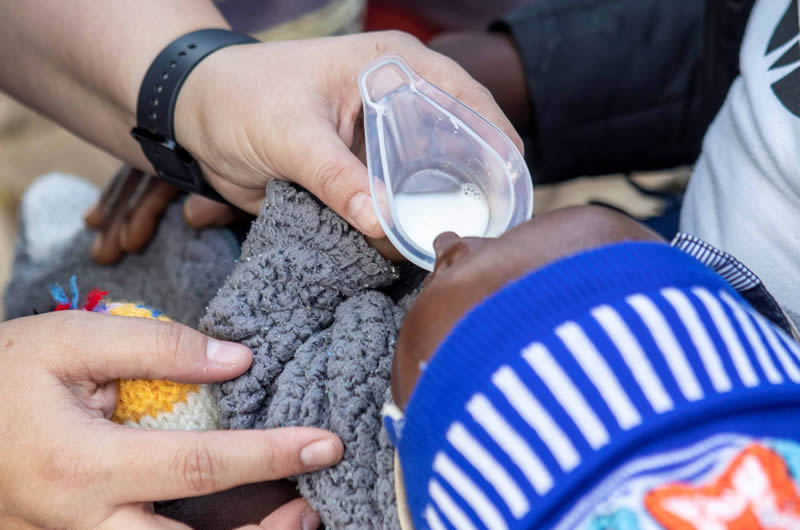
Infants with cleft conditions often face significant challenges with breastfeeding, making it particularly difficult for mothers to provide nutrition through direct nursing. Success is often limited and varies greatly based on the infant’s condition and support provided to the mother and family. Breastmilk supply also decreases quickly with poor oral suction and poor latch (or attachment), both of which are very common for infants with cleft conditions.
To successfully support mothers in providing breastmilk for their infants, the following are critical:
- Early identification of infants with cleft conditions.
- Breastfeeding education, including safe breastmilk expression instruction, as early as possible in the perinatal period.
- Distribution of nutrition supplements and supplies as needed
- Regular follow-up to ensure that the infant grows and gains weight appropriately.
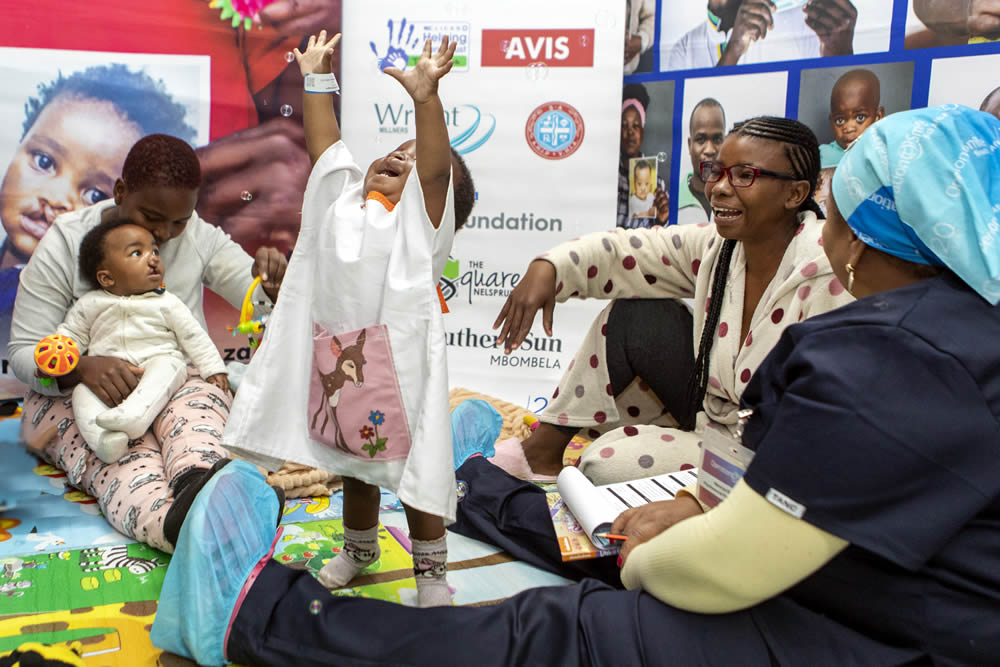
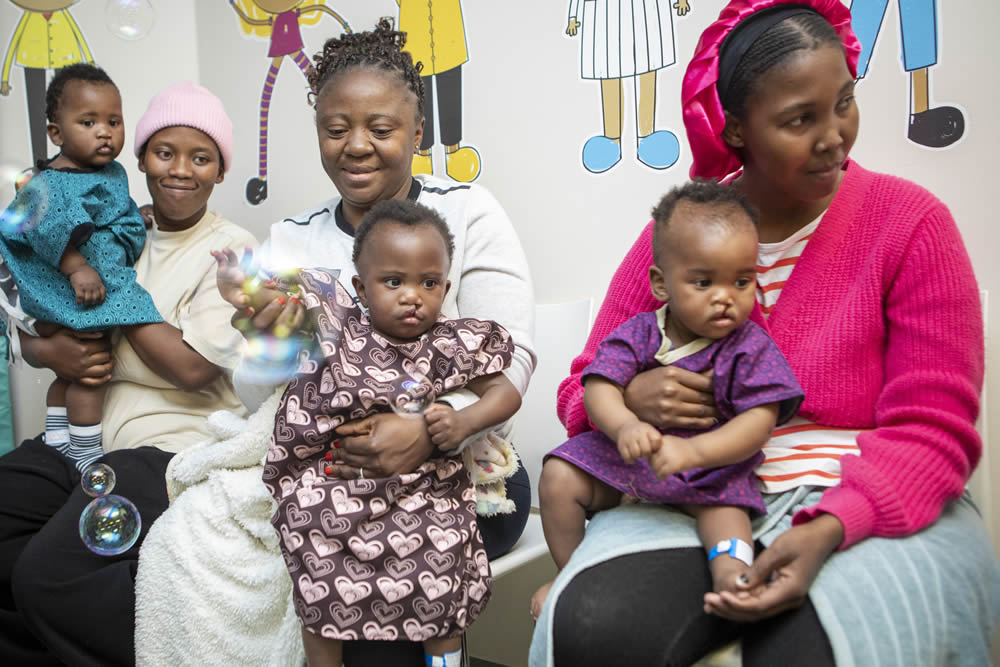
At Operation Smile, we are committed to offering comprehensive support through education on effective breastfeeding techniques, safe milk expression, and alternative feeding methods. We provide valuable resources, counseling, and practical guidance to help mothers ensure their infants receive the benefits of human milk, even when direct breastfeeding is not possible.
Alternative feeding & supplementation
When breastfeeding is not possible, breastmilk substitutes (BMS) can be used to provide essential nutrition for infants.
At Operation Smile, we have an Infant Feeding Policy that addresses the prescription and use of BMS. Our staff and volunteers are rigorously trained in this policy to ensure BMS are used only necessary and is in the best interest of the child’s health and development. Substitutes should not be prescribed routinely and should be reserved solely for situations where they are clinically indicated.
Concerns related to BMS include the following:
- Safe water availability and accessibility.
- Accuracy of preparation.
- BMS cost for the family and reliable BMS supply until the infant is 6 months of age.
Ready-to-Use Therapeutic Food (RUTF)
RUTF is widely used for home-based treatment of severe wasting in infants over 6 months of age, children, and adults.
- Common ingredients include powdered milk, peanuts, sugar, oil, vitamins, and minerals, though there are other formulations that have been tested or are in development.
- RUTF is used along with behavior change and WASH interventions and caregiver education to optimize the child’s intake and prevent further malnutrition, when there is adequate food availability and accessibility.
- Optimizing oral intake through food and dietary changes (rather than RUTF supplementation) is also possible and may be preferable with adequate food security.
Resources for health professionals
If you are interested in enhancing your knowledge and skills in breastfeeding, nutrition and cleft care, please explore the Operation Smile Academy – our online platform offering valuable training and mentorship to improve surgical and comprehensive care outcomes. There you can take our Infant Feeding Basics Course, to deepen your understanding of breastfeeding and infant nutrition.