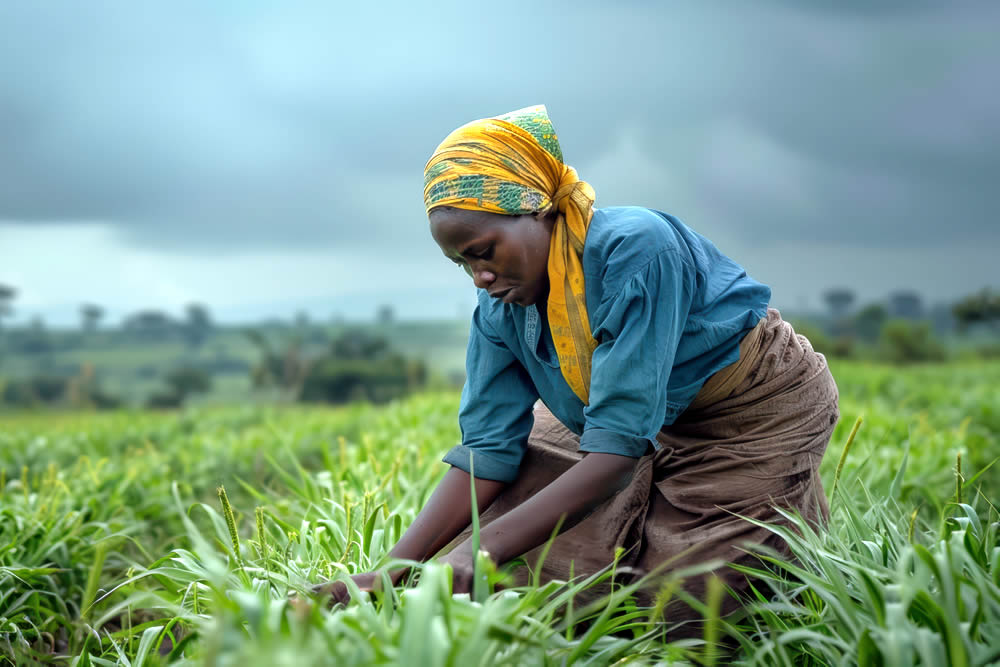
for New research published in the Journal of Exposure Science & Environmental Epidemiology in June 2026 suggests a link between maternal exposure to agricultural chemicals during pregnancy and an increased likelihood of orofacial clefts.
Building on earlier work from Operation Smile’s International Family Study (IFS), the latest report, “Maternal agrochemical exposure during pregnancy and risk of orofacial clefts: a case-control study in eight low- and middle-income countries,” is the largest study of its kind to date. It draws on data from nearly 7 000 participants across eight low- and middle-income countries. (LMICs).
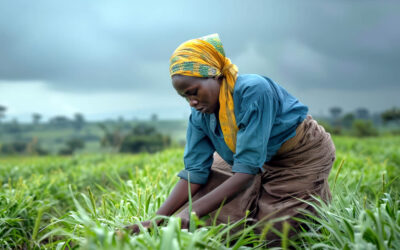
Most at risk are women employed in the agricultural sector in these countries. Agriculture accounts for around 32% of employment in LMICs, many of which continue to use pesticides banned elsewhere in the world. There may also be limited oversight of how these substances are handled, inadequate worker training, and insufficient access to protective equipment.
What are agrochemicals?
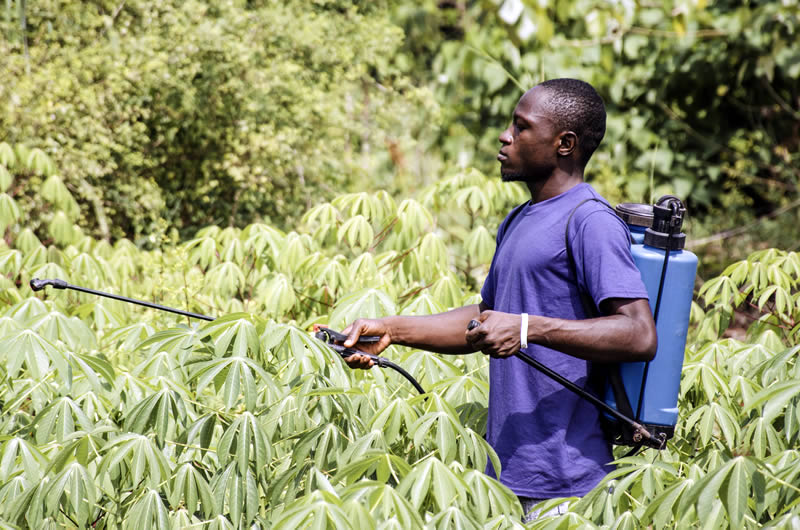
Agricultural chemicals encompass a wide range of substances, include pesticides, synthetic fertilisers, acidifying and liming agents, agricultural spray adjuvants and soil conditioners. They also include substances used in livestock farming, such as hormones and antibiotics. The types of chemicals used, and the regulations governing them, vary considerably between regions.
Women who live close to farmland may also be exposed, while environmental contamination of food, water and air could provide additional routes of exposure.
What are the established risk factors?
Both genetics and environmental factors are believed to contribute to the incidence of cleft conditions. Established risk factors include:
- a family history of cleft
- maternal cigarette smoking during pregnancy
- maternal age
- exposure to smoke from cooking indoors over an open flame
This latest research adds to mounting evidence that maternal exposure to agrochemicals during pregnancy may be associated with increased likelihood of cleft conditions. Mothers who reported agricultural chemical exposure during pregnancy had more than twice the odds of having a child with a cleft.
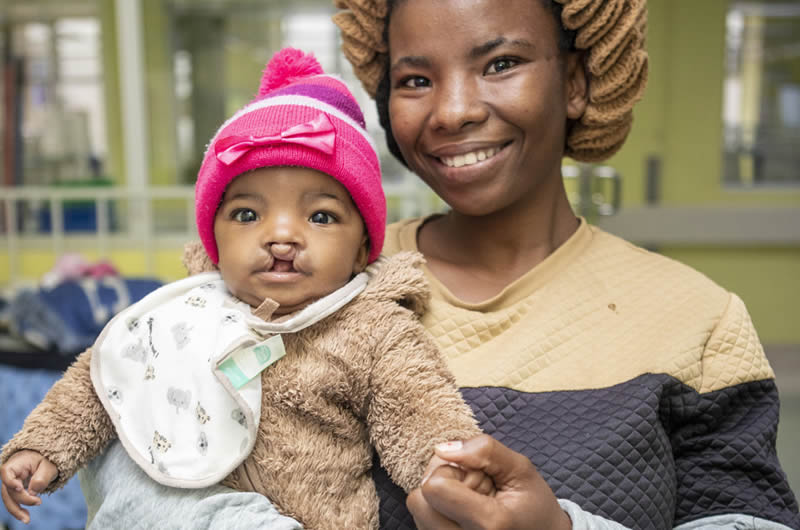
4.8 billion people do not have access to safe, affordable surgical care
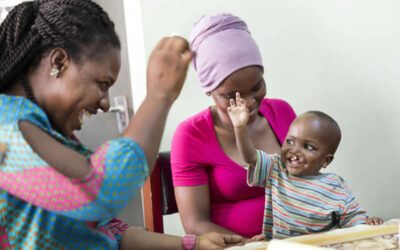
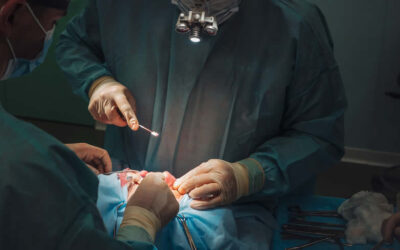
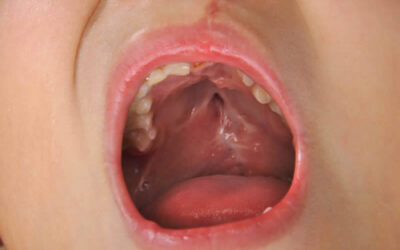
Cleft lip and palate are congenital anomalies that can impair swallowing, hearing, speech, appearance, and psychosocial well-being. Children born with these conditions typically require multidisciplinary care, including surgery and ongoing care.
Sadly, an estimated 4.8 billion people living in LMICs – including South Africa – do not have access to safe, affordable, and timely surgical care.
This is where organisations like Operation Smile play a crucial role – providing safe, world-class surgery and comprehensive, ongoing cleft care to patients who might otherwise be left without hope of getting the help they need.
While providing access to surgery is crucial – identifying and eliminating specific risk factors could help reduce the number of children born with these conditions.
Volunteers and partners
This research would not have been possible without the generous support of the families who participated, or the dedication of local healthcare providers and medical centres.
Volunteers around the world contributed their time and expertise to the collaborative study, which was funded by Frimurare Barnhusdirektionen i Göteborg Barnhusfonden and other international partners – including Operation Smile Global Headquarters and Operation Smile International.
Translating this new evidence into meaningful public health initiatives, stronger regulatory oversight, and community education programmes could help reduce preventable orofacial clefts and improve the lives of people in agricultural communicates across LMICs.
By combining research, prevention and access to comprehensive cleft care, there is an opportunity not only to improve the lives of children born with cleft conditions, but also to help reduce the risks faced by future generations.